Power Catwalk Deployment: PetroChina Xinjiang, Dagang & Peru Project Case Study
Three new customer wins for Jingtao Energy’s Power Catwalk — an automated pipe handling system that replaces manual pipe transfer between the rack and drill floor. These units are in production. None have shipped yet. This case study covers why each customer selected Jingtao: the operating conditions, the technical requirements, and the trust signals that closed the deal.
At a Glance
- 3 customers, 3 distinct requirements: PetroChina Xinjiang (harsh desert workover), PetroChina Dagang (legacy rig upgrade), Peru-bound EPC project (mobile drilling)
- 8,882 m proven depth rating — field-validated at Asia’s deepest well in the Tarim Basin
- 50,000+ joints handled across Jingtao’s existing fleet with zero safety incidents
- Electric and hydraulic configurations available — each customer matched to the right drive system
- Zero confined space entry: eliminates crew members working inside the V-door and on the rig floor during pipe transfer
- Products in production, not yet deployed — focus is on selection rationale, not operational results
The Challenge: Three Customers, Three Different Problems
1. PetroChina Xinjiang Oilfield — Desert Workover, Extreme Cold
Xinjiang’s desert basins push equipment to the limit. Summer ambient hits +50°C. Winter drops below -25°C, sometimes -30°C. Sand and dust are constant. These are workover rigs — not deep exploration — but the pipe handling problem is the same: someone has to get casing, tubing, and sucker rods from the rack to the rotary table.
Manual pipe handling in these conditions means crew exposure to heat stress in summer and frostbite risk in winter. Hydraulic systems fail two ways in Xinjiang: cold-start fluid viscosity problems in January, and overheating / seal degradation in July. Dust ingestion eats pumps and valves.
PetroChina Xinjiang needed a system that starts reliably at -30°C, runs all day at +50°C, and doesn’t leak hydraulic fluid onto a desert wellpad. They also needed it to handle multiple pipe types — workover rigs switch between tubing, sucker rods, and casing within the same job.
2. PetroChina Dagang Oilfield (Tianjin) — Legacy Rig Modernization
Dagang is a mature oilfield. Some blocks have been producing for 50+ years. The rigs are older — mechanical or early-generation electric — and pipe handling is still manual. Three to four crew members handle every joint at the V-door. It’s slow, it’s the most dangerous routine task on the rig, and in a mature field with declining production, every hour of rig time matters.
Replacing the rigs isn’t an option. But retrofitting automated pipe handling onto existing equipment is. The challenge: the catwalk had to integrate with rigs that weren’t designed for it — different substructure heights, different V-door positions, no existing control-system interface.
Dagang’s procurement team evaluated retrofit feasibility first, then technical specs. They needed a supplier who could engineer the integration, not just ship a standard unit and declare it “compatible.”
3. Peru-Bound Mobile Catwalk — EPC Logistics and Truck-Mounted Design
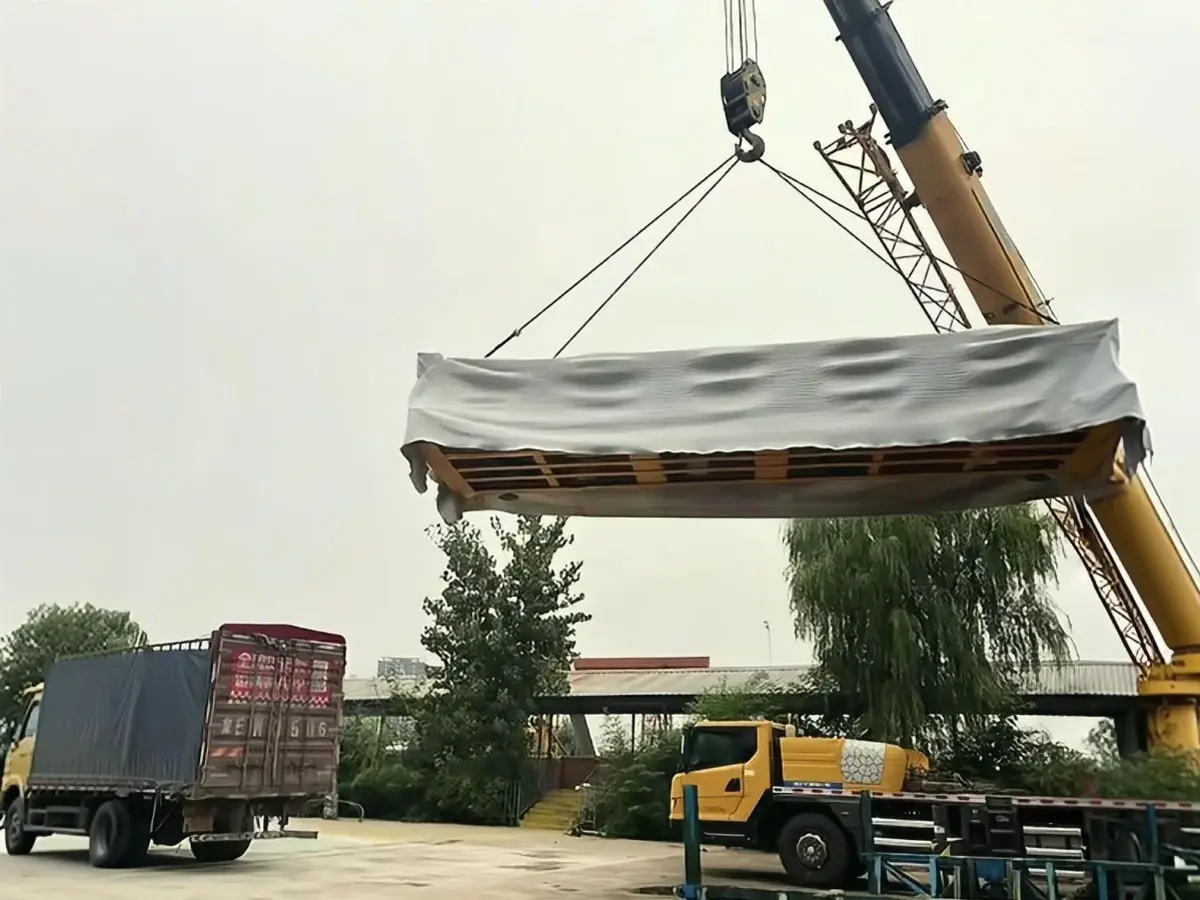
An EPC contractor sourcing equipment for a drilling project in Latin America needed a mobile catwalk — truck-mounted, self-contained, moveable between locations without a crane. The unit ships from Dongying, China to a Peruvian port, then moves by road to the drilling site.
Three problems compound here:
- Export packaging and ocean freight — the unit must survive 30+ days at sea plus handling at both ports
- Road mobility in-country — Peruvian Andes roads are narrow, high-altitude, and rough; the trailer/chassis must meet local transport regulations
- EPC contractor coordination — the catwalk is one line item in a larger drilling package; delivery timing, documentation, and commissioning support must match the EPC’s project schedule
The EPC didn’t just need a catwalk. They needed a manufacturer who could document the unit for export compliance, coordinate with their freight forwarder, and deliver on a contractual timeline with a bonded project.
The Solution: Catwalk Configurations Matched to Each Site
| Customer | Configuration | Drive System | Key Requirements Met |
|---|---|---|---|
| PetroChina Xinjiang | PC-Series, standard arm (2,100 kg), workover-spec | Electric servo | -30°C cold start, +50°C continuous, multi-pipe-type handling (tubing, rods, casing), zero hydraulic fluid on pad |
| PetroChina Dagang | PC-Series, retrofit package with adjustable substructure interface | Electric servo | Legacy rig integration, custom V-door adapter, control system bridge to existing rig controls |
| Peru EPC Project | PC-Series mobile, truck-mounted on custom trailer | Hydraulic (PTO-driven from truck) | Road-mobile, export-packaged, EPC documentation package, sea-freight-ready |
Each configuration draws from the same core Power Catwalk platform. The differences are in the mounting method, drive system, and integration approach — not the underlying pipe handling mechanism.
Why Electric Servo for Xinjiang and Dagang
The electric servo drive is the default recommendation for stationary rigs. Full torque at -30°C — no warm-up cycle, no fluid heater, no 20-minute wait. At +50°C, no viscosity loss, no overheating. Sealed bearings only for maintenance. Energy consumption is on-demand: the motor draws power only when moving pipe, unlike a hydraulic pump that runs continuously. The IP65 pressurized control cabinet keeps Gobi Desert dust out of the electronics.
Why Hydraulic for the Mobile Unit
The Peru-bound truck-mounted unit uses hydraulic drive — driven by the truck’s PTO, not a standalone power unit. This is the standard approach for mobile catwalks globally. The truck engine provides power; the hydraulic system provides the force to lift and position pipe. It’s a proven configuration with a supply chain that any mechanic in a remote location can service. For a unit that may operate hundreds of kilometers from the nearest dealership, field-repairability matters more than peak efficiency.
Pipe Handling Capability (All Configurations)
| Pipe Type | Diameter Range | Handling Mode |
|---|---|---|
| Drill pipe | 2⅞″ – 5½″ | Single and trip mode |
| Tubing | 2⅜″ – 4½″ | Single mode (standard), trip mode (configured) |
| Sucker rods | ¾″ – 1⅛″ | Rod handling tray (Xinjiang config) |
| Casing | Up to 14″ | Single mode, heavy-duty arm available (5,000 kg) |
Why Jingtao: The Trust Signals That Closed These Deals
These three customers didn’t pick Jingtao on spec sheets alone. Each had a specific reason they chose us over domestic and international competitors. Here are the trust signals that mattered:
8,882 Meters — Field-Proven, Not Theoretical
Jingtao’s Power Catwalk has handled pipe at 8,882 meters measured depth — Asia’s deepest well, drilled in the Tarim Basin. That’s not a design limit on a CAD drawing. It’s a field record. For PetroChina Xinjiang, who drills deep and ultra-deep wells in the same basin, this isn’t a sales claim — it’s operational data from a rig they know.
Read the full case study: Power Catwalk at 8,882 m — Tarim Basin Ultra-Deep Well Automation
50,000+ Joints, Zero Incidents
One Tarim campaign moved over 50,000 pipe joints through the Power Catwalk. Zero HSE incidents. Zero dropped pipe. Zero crew injuries at the V-door. This track record matters for Dagang, where the business case for automation is partly operational efficiency and partly safety — removing crew from the most dangerous routine task on the rig.
Electric + Hydraulic — Both Configurations, One Platform
Most catwalk manufacturers pick one drive system and sell it for everything. Jingtao offers both electric servo and hydraulic on the same core platform. The Peru EPC needed hydraulic because the mobile unit runs off the truck PTO. Xinjiang and Dagang needed electric because cold-start and dust protection are non-negotiable. One supplier, one support contract, one training program — covering different drive systems.
EPC Partnership Capability
The Peru project is Jingtao’s first Latin America-bound catwalk via an EPC contractor. The EPC’s technical evaluation covered documentation standards, export compliance, packaging specifications, and project timeline integration — not just equipment specs. Jingtao cleared all of it. For EPCs managing multi-vendor drilling packages, a supplier that understands bonded projects, incoterms, and milestone-based delivery schedules is worth more than a 5% price discount.
20+ Rigs, Zero Hydraulic Failures
Across the existing fleet — 20+ rigs equipped since 2018, mostly in Western China — zero hydraulic system failures have been recorded on electric servo units. Hydraulic failures (hoses, seals, pumps) are the most common downtime cause on conventional catwalks. The electric servo fleet’s track record is a direct response to the procurement question: “What breaks, and how often?”
Implementation Outlook
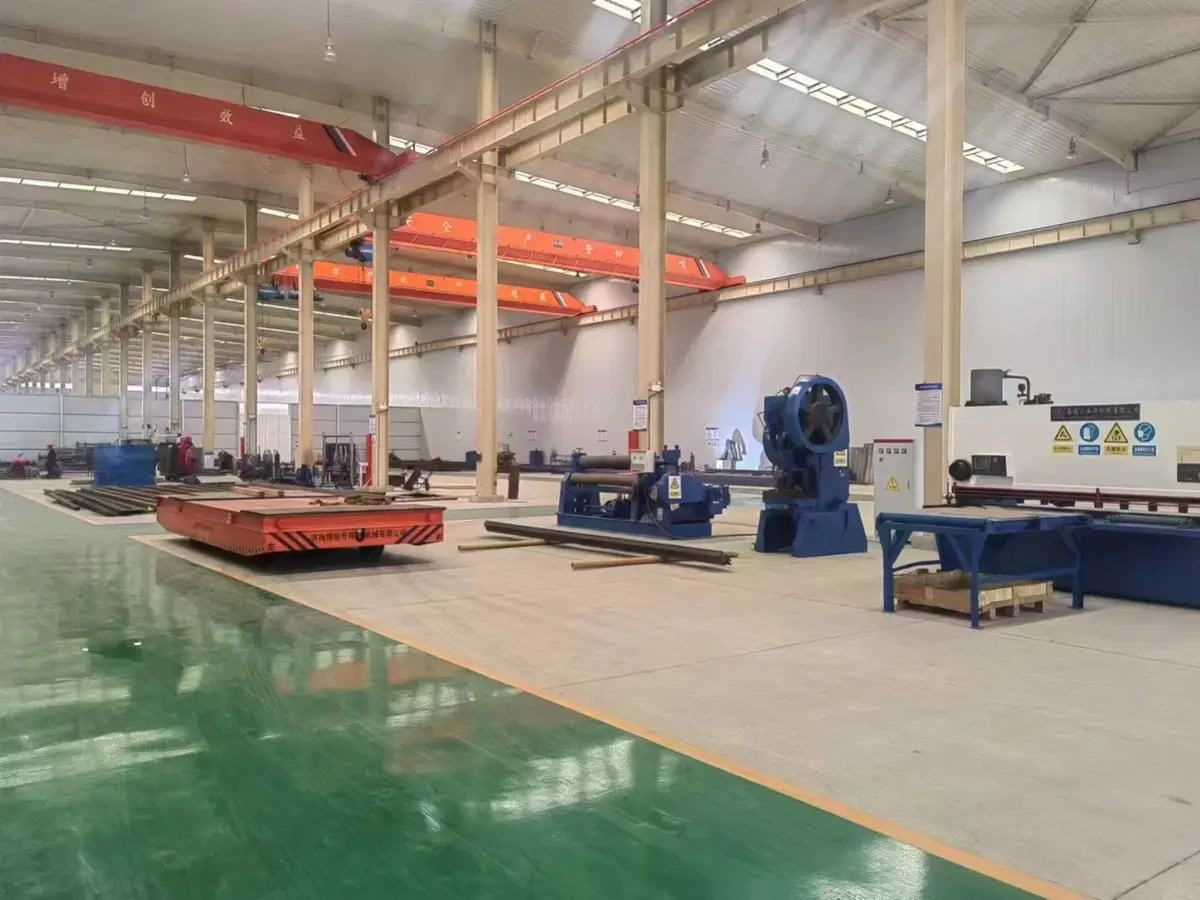
All three units are in production at Jingtao’s Dongying facility. Here’s what’s planned:
| Customer | Production Status | Estimated Delivery | Commissioning Plan |
|---|---|---|---|
| PetroChina Xinjiang | Assembly and factory testing | Q3 2026 | 5-day on-site commissioning at Xinjiang workover base; Jingtao engineer + operator training for rig crew |
| PetroChina Dagang | Substructure interface fabrication complete; catwalk assembly underway | Q3 2026 | Retrofit installation on existing rig; 3 days mechanical integration + 2 days control system commissioning |
| Peru EPC Project | Trailer fabrication + catwalk integration | Q4 2026 (ex-works Dongying) | Factory acceptance test at Dongying; EPC handles ocean freight and in-country commissioning with Jingtao remote support |
Note: These are production and delivery timelines, not deployment results. The units haven’t shipped. A follow-up case study with operational data — cycle times, uptime, crew feedback — will be published after each unit completes 3+ months of field operation.
Explore Related Solutions
- Power Catwalk Product Page — full specifications, drive system comparison, configuration options
- Tarim Basin 8,882 m Case Study — operational data from Asia’s deepest well deployment
- Request a Quote — get a project-specific configuration and pricing proposal
- Download Product Brochure — PDF with technical drawings, dimensions, and integration requirements
Frequently Asked Questions
How long does delivery take for a Power Catwalk?
Standard delivery is 60–75 days from order confirmation. Expedited delivery at 45 days is available for urgent projects. Mobile/truck-mounted units with custom trailer fabrication run 90–120 days. These timelines reflect current production capacity of 200+ units annually from the Dongying facility.
Can the Power Catwalk retrofit onto an older drilling rig?
Yes. The Dagang project is a retrofit — attaching to a legacy rig that predates automated pipe handling. Jingtao engineers design a custom substructure interface and V-door adapter for each retrofit. Integration typically takes 5 days on site: 3 days mechanical, 2 days control system. The catwalk runs on its own PLC and communicates with the rig control system via a bridge module — it doesn’t require the rig itself to be modernized.
What’s the difference between electric servo and hydraulic drive in the field?
Electric servo delivers full torque instantly at -30°C with no warm-up. Hydraulic needs 20–40 minutes for fluid warm-up in cold conditions. Electric servo has zero fluid leak risk — no hoses, no seals, no spill containment. Hydraulic is field-repairable with standard components and works well in moderate climates. For stationary rigs in harsh environments, electric servo is the default. For mobile units powered by the truck engine, hydraulic is the standard global configuration.
Does the catwalk handle sucker rods, or only drill pipe?
The Power Catwalk handles drill pipe (2⅞″ – 5½″), tubing, casing (up to 14″), and sucker rods — with the appropriate tray or adapter. The Xinjiang workover configuration includes a rod handling tray because workover rigs switch between tubing and rods multiple times per job. Single pipe mode and trip pipe mode are both available, selectable from the operator panel.
What support does Jingtao provide for international projects?
Standard scope includes factory acceptance testing at Dongying, export packaging (ISPM 15 compliant), documentation for customs clearance, and remote commissioning support. On-site commissioning with a Jingtao engineer is available and included for first-unit deployments in a new region. Training is 3 days on site for operators and maintenance crew. Remote diagnostics capability is built into the control system — our engineers can access the PLC over a secure connection to troubleshoot without mobilizing to site.
Interested in the Power Catwalk for your operation?